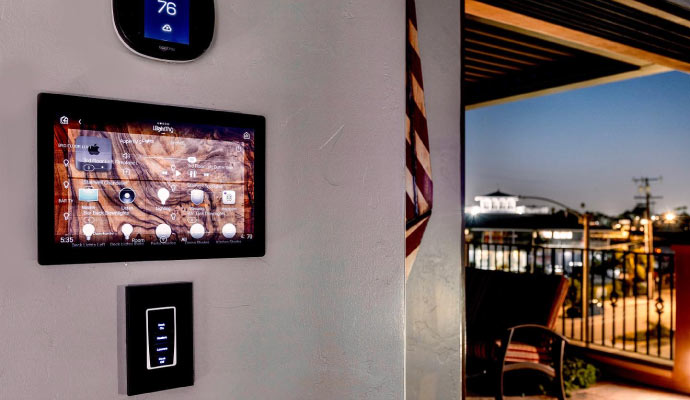
 Climate Control
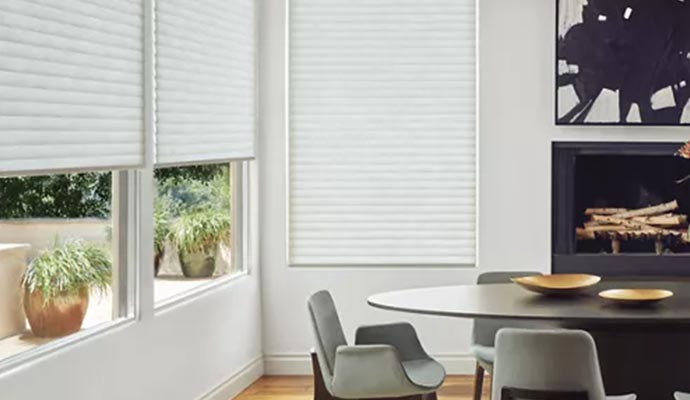 Motorized Window Treatments
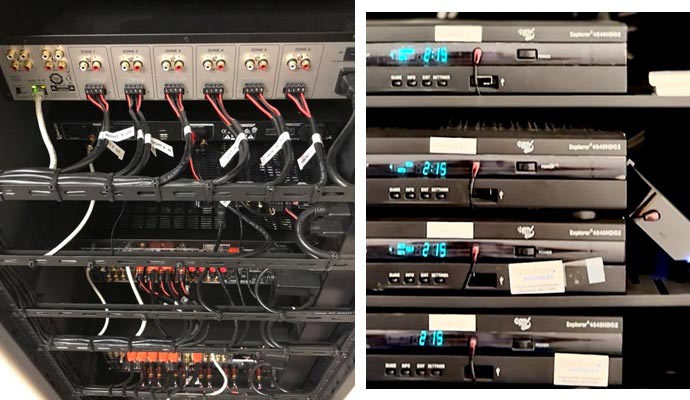 Networking
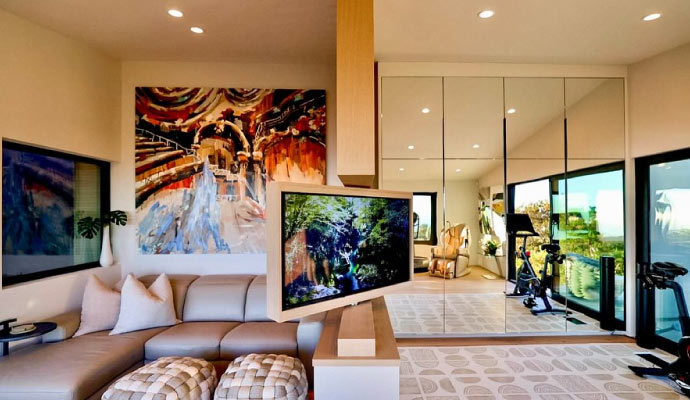 Multi-Room Music
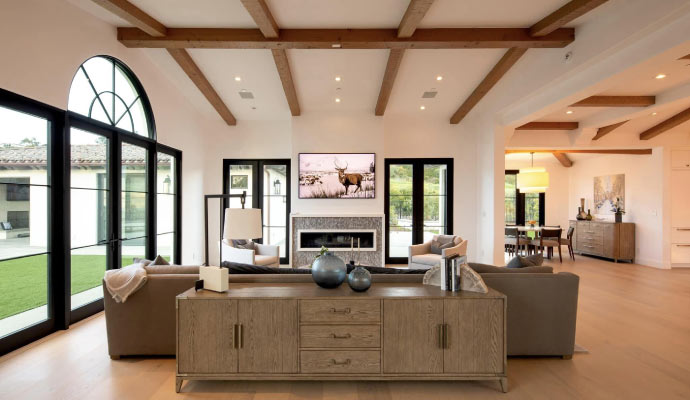 Interior Design
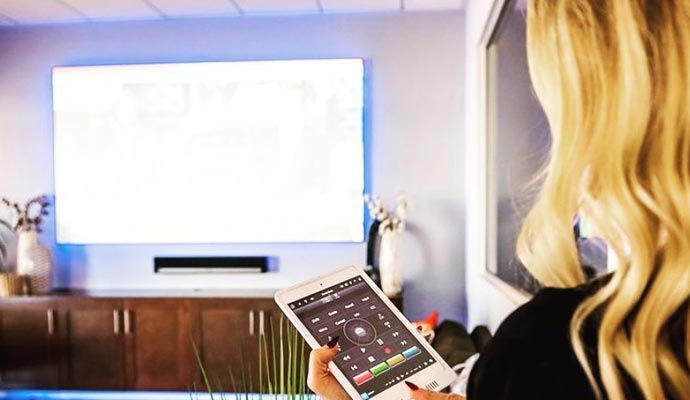 Media Control


“We've seen some really impressive work from Digital Installer, Inc. by Rusty Deeble. Knowledgeable, very detail oriented and always ready. Rusty is the go to expert for your audio/visuals.”
Read More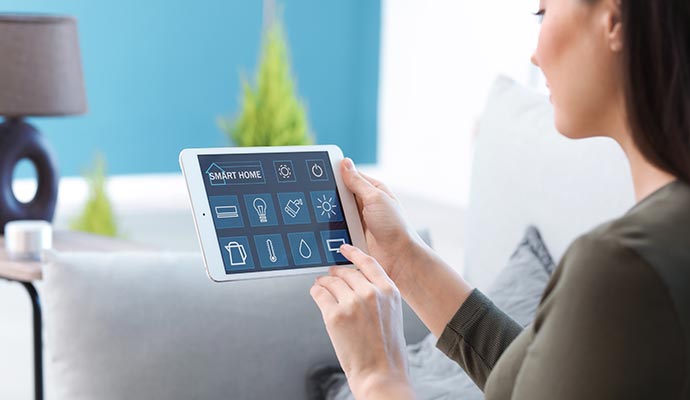
Home automation has transformed how homeowners control lighting, climate, entertainment, security, and more. When planning a system, choosing between wired and wireless technology is an important decision. Each option offers unique benefits based on your home's layout and automation goals.
Digital Installers designs and installs smart home automation systems, helping homeowners create connected spaces with simple control and dependable performance. Our team helps homeowners compare wired and wireless options to create a connected home that brings greater convenience. Call us today or reach out online to get your home automation.
855-488-1060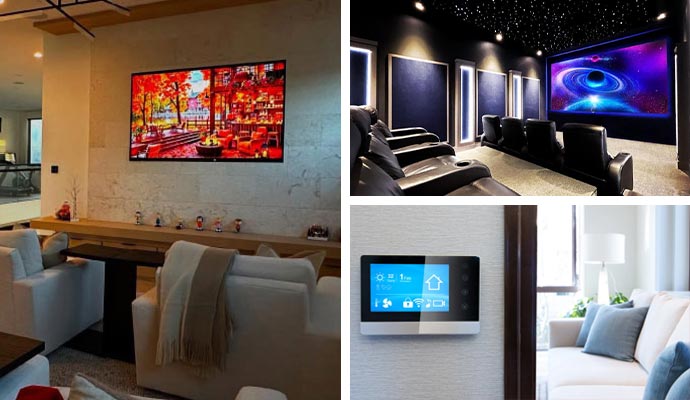
Wired home automation systems use physical cables to connect different devices throughout your home. They are often installed during new construction or major renovations because the wiring can be placed behind walls before finishing work begins. These systems connect features like lighting, audio, security, and networking equipment. Many homeowners choose wired automation for a permanent setup. Wired systems are commonly used for:
Wired automation systems provide consistent communication between connected devices. Since components use physical connections, the system is less affected by wireless interference or network interruptions. Other benefits include:
Wired systems provide stable connections for essential home automation devices and features.
Ideal for larger homes connecting multiple automation devices through structured wiring systems.
Creates a permanent foundation for expanding home automation systems over time.
Devices communicate through dedicated wiring instead of relying only on wireless signals.
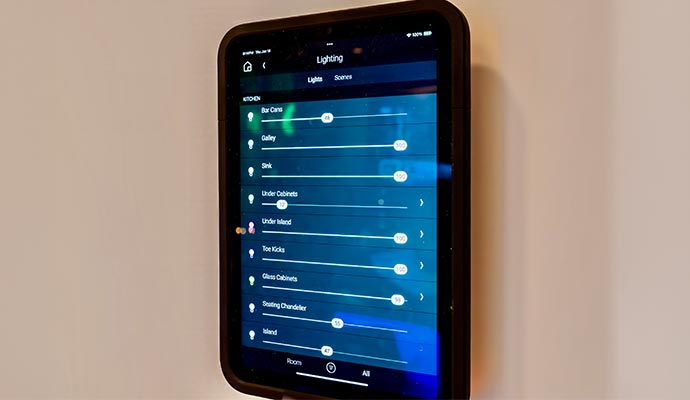
Wireless home automation systems connect devices through wireless communication technologies. These systems are popular for existing homes because they usually require fewer structural changes during installation. Wireless automation technology allows homeowners to add smart devices without opening walls or making major modifications. This flexibility makes it easier to upgrade individual areas of the home over time. Wireless systems include:
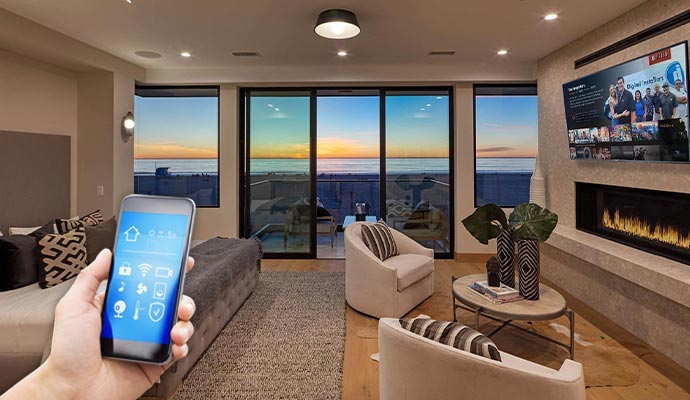
Wireless technology gives homeowners more flexibility when creating a connected home. Devices can be installed in different areas without extensive wiring requirements, and more key benefits include:
Both wired and wireless automation systems can improve how you control your home. However, several factors can help determine which option fits your property:
The best home automation system depends on your property's layout, technology goals, and future plans. New construction may benefit from wired systems, while existing homes often suit wireless upgrades.
Many homeowners combine both options for a hybrid setup. Digital Installers evaluates your space and automation needs to design a system that provides reliable performance, flexibility, and simple control.
A well-designed automation system requires careful planning, proper installation, and seamless integration between devices. We help homeowners create a connected home with professionally installed automation systems. We work with homeowners to design systems that match their preferences and provide simple control over everyday features. We provide home automation systems, including:
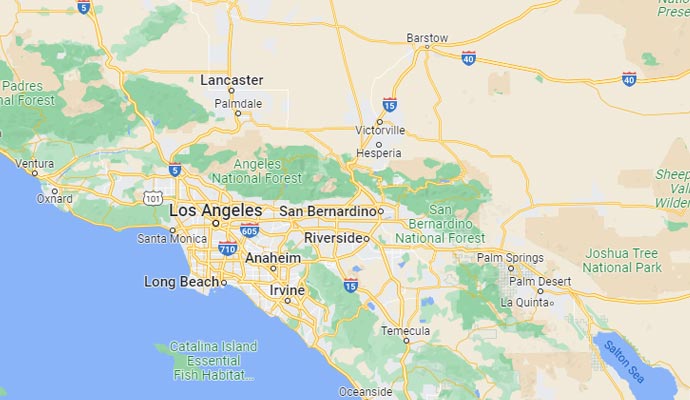
Whether you prefer a wired system, a wireless setup, or a combination of both, Digital Installers can help create an automation experience designed around your home. Our team provides professional installation and personalized system design for properties throughout Redondo Beach, Brentwood, Irvine, Los Angeles, and other service areas nearby. Call us now or fill out our online request form today to schedule your consultation and discover how modern home automation can improve the way you experience your home.
855-488-1060
.jpg)
4.99 out of 252 reviews

See why homeowners and businesses turn to digital installers for audio/video, networking, automation, and other technology installations. See what customers have said about their experience with us.
“We've seen some really impressive work from Digital Installer, Inc. by Rusty Deeble. Knowledgeable, very detail oriented and always ready. Rusty is the go to expert for your audio/visuals.”
Read More
“Excellent work completing the network cabling of my house by Peter and Anders. I would definitely recommend them. Very happy that they were able to hide all of the cables running everything through the walls and attic. Outstanding!”
Read More
“We had an amazing experience with Randall and the team at Digital Installers. They handled the complete security setup for our retail store/warehouse and made the entire process smooth, professional, and stress-free. Everything was done cleanly and efficiently, and they took the time to make sure we understood the system and felt confident using it. Highly recommend them if you’re looking for a reliable and knowledgeable team for security and installation needs!”
Read More
“Andrew of Digital Installers did a wonderful job adding new equipment to protect my system from electrical surges. While doing so he completely cleaned up my cables and wiring moved equipment in my rack and it runs cooler, looks great organized clean. And recalibrated our theaters sound system and it works and sounds better than ever. Thanks DI”
Read More
“Rusty and the team at Digital Installers are great. When I purchased a new home, I had them come over and recommend an integrated home system for TV, sound, and lights. They did a wonderful job making recommendations and setting up everything seamlessly. The team was very professional, and I would definitely recommend them to others.”
Read More
“Digital Installers is fantastic! The team was friendly, knowledgeable, and made the whole process easy from start to finish. Our new system looks and works beautifully. Highly recommend them for anyone needing professional, reliable tech installation!”
Read More
“I called Digital Installers and they were able to send someone out to me the very same day. Peter and Andrew wall mounted my 65” OLED TV and did a fantastic job! They were on time, courteous, clean and found a way to run a pesky HDMI cable through the wall that had been bothering me for years. I will definitely be using them again in the future. Highly recommend!”
Read More
“Rusty and his team at Digital Installers made my home theater dreams come true. I knew I was in good hands as soon as I reached out. They listened to what I wanted and created a setup that was perfect for my style and space. They handled everything with such care, making sure every detail was just right. I can’t recommend Digital Installers enough.”
Read More
“From a simple TV install to futuristic home tech, Rusty and his team are leaders in their industry. They provide various solutions to accommodate your needs including: internet, home audio, lighting and more. Want some ideas for your home? Check out their Showroom for ideas on your next project.”
Read More
“Big thanks to Rusty and Esmond @ Digital Installers. Very easy to work with, extremely knowledgeable and talented team. The touchscreen system works perfectly, the audio is clear in the entire room and everything has a clean professional finish. Great work guys!”
Read More
Reliable. Certified. Proven.
Our commitment to quality, innovation, and customer satisfaction is backed by industry recognition, and our affiliated brands and products.








Effective Support By Real People.
Modern home technology occasionally experiences disruptions. We keep things simple and provide necessary support if your A/V system experiences problems. From proactively monitoring and fixing your system remotely, to helping you easily reset your easily, you're covered with us.

Long Beach/South Bay
562-379-3355
Orange County
949-787-0601
Coachella Valley
760-706-7077